

FURTHER LEARNING
ADHD
Resources for understanding ADHD and finding approaches that work with your brain.
Books
For deeper dives, practical support, and perspectives you can return to.

How to Keep House While Drowning
A compassionate, practical guide to managing household and self-care tasks when executive functioning, energy, or overwhelm get in the way. Davis reframes chores as care tasks rather than measures of morality or worth.
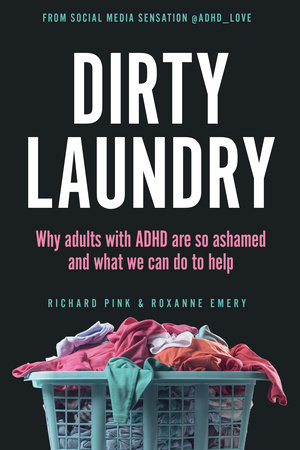
Dirty Laundry
An accessible look at ADHD, shame, and relationships from the perspectives of a couple in which one partner has ADHD. The authors emphasize compassion, communication, and practical support over blame.

How to ADHD
A practical and affirming guide combining ADHD research, personal experience, and strategies for everyday life. McCabe focuses on building systems that work with your brain rather than against it.
Watch
Accessible videos for learning about ADHD at your own pace.
How to ADHD
Jessica McCabe’s channel offers accessible, research-informed videos about ADHD, executive functioning, relationships, emotional regulation, and practical strategies for everyday life. The channel combines education with McCabe’s lived experience of ADHD.
Visit the channel →Listen
Conversations about ADHD, neurodivergence, identity, and everyday life.
PODCAST
Divergent Conversations
DR. MEGAN NEFF & PATRICK CASALE
Hosted by neurodivergent mental health professionals Dr. Megan Neff and Patrick Casale, this podcast explores autism, ADHD, AuDHD, masking, burnout, relationships, identity, and mental health through both professional and lived-experience perspectives.
PODCAST
The Black Spectrum
DIANE LAIDLAW
A UK podcast sharing firsthand and anonymous stories about mental health and neurodiversity in Black and Brown communities, including experiences of ADHD, autism, adulthood, parenting, work, and cultural stigma.
Not sure where to start?
You don’t need to work your way through everything here. Start with the resource that feels most relevant — or most accessible — to you right now. A practical book might be useful when you’re looking for strategies, while a podcast or video may be easier when reading feels like one more thing to do.